About us
Founded in 2005 by Richard Jeffries, Singing Community of Choirs originated as the Four Oaks Cluster Choir but has grown to encompass 8 choirs starting from age 4 through to our adult community choir. Our choirs compete at national and international level, take part in residential trips and regularly perform in concerts and other community events.
At Singing Community of Choirs, we offer:
- Excellent, highly-trained musicians leading or accompanying every rehearsal
- A progressive system of choirs from age 4 right up to adults, developing musicianship guided by the SCC Musicianship Levels underpinned by Kodaly and Dalcrose methods
- Memorable concerts with regular opportunities to perform in a host of venues, often with an accompanying band or orchestra and opportunities for competitive performances
A copy of Annual General Meeting minutes, Trustees’ Report and Financial Report can be requested from: enquiry@scchoirs.org.uk
SCC Musicianship Levels
SCC Musicianship: Level 1
Rhythm and Pulse
- Identifies a ‘heartbeat’ as a steady pulse
- Can clap/tap a steady pulse
- Can step or walk a pulse in time to the piano and starts to internalise this
- Detects a change in tempo through movement/steps
- Is able to repeat a simple rhythmic pattern
- Repeats a rhythm using time names Ta and Titi
- Starts to recognise shorthand symbols for Ta and Titi
- Can say simple rhythms/rhymes whilst keeping the pulse
Pitch Patterns
- Can detect high and low notes
- Can control speaking voice to singing voice
- Starts to understand steps in pitch
- Begins to use solfege hand signals to represent pitch patterns using DRMFSL in varying orders
- Recognises S-M and S-M-D represented on a 2-line stave
- Can sing simple 2-note patterns from a silent solfege signal
Melody and song
- Can sing simple melodies in time with everyone else
- Successfully adds actions to a variety of songs
- Can sing a simple melody/phrase with solfege hand signals
Vowels/range
- Can sing simple vowel sounds together in a group, and add actions to reinforce mouth shape
SCC Musicianship: Level 2
Rhythm and Pulse
- Securely feels and taps a steady pulse when listening to piano accompaniment or singing a song
- Can show their heartbeat whilst saying a rhythmic pattern or rhyme
- Can step or walk a pulse whilst tapping a rhythm at different tempi
- Understands the difference between pulse and rhythm
- Can step/tap and feel a pulse in 2, 3 or 4-time by strengthening the first beat
- Can detect whether the pulse is in 2, 3 or 4-time by listening
- Can recognise the sound of and count aloud whole, half, quarter and eighth notes
- Can read and count combinations of whole, half, quarter and eighth notes
- Can use note shapes to form and read their own rhythms using these notes
- Begins to use 16th notes as the sound ‘tikatika’
- Understands bars as ‘measures’ of time
- Understands 4/4 time as every bar adding up to 4 quarter notes
Pitch Patterns
- Understands and uses solfege hand signs for all eight notes DRMFSLTD
- Can sign pitch patterns from silent signals such as S-M-D S-L-S-M S-S-D
- Knows and hears a perfect 5th as S-D or D-S
- Can recognise and sing note patterns on a 5-line stave such as: S-M-D D-M-S D-R-M
- Knows that notes step up/down on the stave in patterns of lines and spaces
- Starts to read a conjunct melody using 2 or 3 notes
Melody and song
- Sings in unison with good intonation
- Knows how to sing softly as well as loudly
- Knows the meaning of forte and piano
- Can hold their part when singing 2-part rounds and canons
- Can hold their part when singing 2-part songs
- Controls breathing when singing a 4-bar phrase
- Can show a musical phrase by drawing a rainbow
- Recognises the sound of solfege patterns within repertoire/phrases
- Can follow a simple score without losing their way
- Starts to recognise solfege patterns in notation within simple repertoire
Vowels/range
- Identifies and uses upper resonance effectively when singing down a scale from C or higher
- Sings the five vowel sounds EH EE AH AW OO and uses an action for each
- Starts to identify correct vowel sounds when singing
SCC Musicianship: Level 3
Rhythm and Pulse
- Securely internalises pulse as something we ‘feel’
- Can identify pulse at various tempi and within own repertoire
- Is able to step the pulse, tap a rhythm and sing simultaneously
- Understands tempo markings such as: allegro, andante, presto and largo
- Can step/tap and feel a pulse in 2, 3 or 4-time
- Recognises simple time signatures at the start of a score and what that means
- Can identify and explain a double bar line
- Understands and counts combinations of whole, half, quarter, eighth and 16th notes
- Can read combinations of 8th and 16th notes as ti-tikka or tikka-ti
Pitch Patterns
- Instinctively uses hand signs for all eight notes DRMFSLTD
- Can sign more complex pitch patterns from silent signals such as
S-M-R-D S-L-S-M-D S-D-M D-M-S-T-D - Can recognise and sing note patterns on a 5-line stave such as:
D-R-M-F-S S-L-S-M S-F-M-D D-R-M-S - Can hear and recognise a major 3rd, perfect 4th and perfect 5th starting on Doh
- Can hear and recognise an octave
- Can recognise 3rds and 5ths on the stave
Melody, song and score
- Has excellent intonation in unison and 2-part singing
- Can vary the dynamics of a phrases musically
- Understands dynamic markings such as crescendo and diminuendo
- Can hold their part when singing a 3 or 4-part round/canon
- Can hold their part when singing 2 and 3-part part songs
- Sings through phrases musically
- Can follow their part on a score
- Starts to annotate score with solfege names
Harmony and keys
- Knows the difference in sound between major and minor
- Knows how chords I, IV and V sound in context of a key
- Can work out the three primary chords in C Major
- Knows that Doh is the ‘key note’ (or ‘tonic’) of a key
- Can start to understand key signatures
- Is able to sing a simple song in different keys
Vowels
- Uses head voice and chest voice confidently
- Refines the five vowel sounds EH EE AH AW OO, and this is evident when singing solfege
- Independently uses correct vowel shapes for phrases in repertoire
- Listens to others whilst singing to develop blend
- Starts to sing in Latin/Italian and uses correct vowels for this
SCC Musicianship: Level 4
Rhythm and Pulse
- Understands a change in tempo (IE rit, rall, a tempo) and can put it into practise
- Can step/tap and feel a pulse in more complex time signatures, such as 5/4, 10/8, 7/8
- Recognises changes in time signature within a piece
- Understands and counts all rhythmic combinations
- Can read all rhythmic combination
- Can perform a syncopated rhythm against a simple rhythm, holding the cross-rhythm
- Can accent any part of the bar and knows its effect
- Can identify an accent in the score
Pitch Patterns
- Instinctively uses hand signs for all twelve notes
- Can sign more complex pitch patterns from silent signals that may include
accidentals or augmented/diminished intervals - Uses solfege knowledge to aid sight reading in repertoire
- Can hear and recognise a major, minor and perfect intervals
- Can recognise a range of different intervals on the stave
Melody, song and score
- Can identify and explain the geography of a piece, using codas, repeats, DS, DC etc
- Has excellent intonation in 3 and 4-part singing
- Can interpret musical phrases and dynamics
- Understands and responds to all dynamic markings, whilst watching the conductor
- Can follow all parts on a score, including the accompaniment
- Starts to annotate score independently
Harmony and keys
- Can see and hear the difference between major and minor, and their relationships
- Recognises the four main cadences: perfect, imperfect, plagal and interrupted
- Can negotiate key changes with ease
- Can work out scales in major and minor keys
- Is able to sing a phrase against another singer in a different key
Vowels
- Refines the five vowel sounds and can apply to different languages and text
- Naturally blends with their section
Our teaching approach
A Kodaly-based music curriculum
At SC Choirs we use elements of the Kodaly and Dalcrose methods in our programme and we are constantly astounded at how quickly musical skills are picked up!
The interactive, collaborative, and highly kinaesthetic method of learning music was developed by Hungarian composer and educator Zoltán Kodály in the early 20th century. It combines several powerful techniques for developing the core skills of musicianship.
Its main idea is that music should be taught from a young age. It should be introduced in a logical and sequential manner and there should be a pleasure in the learning – it should not be torturous! It uses the voice, as this is the most accessible, universal instrument.
Kodály believed that music was among the most important – if not the most important school subject. In his method, children unconsciously learn the basic musical elements: sol-fa (or solfège), rhythm, hand signs, memory development, singing, and more. Early Kodály music education for children has endless benefits too!
Kodály argued that the characteristics of a good musician are a well-trained ear, a well-trained mind, a well-trained hand and a well-trained heart, and that all four must develop together. These characteristics could be considered as those of a good human being. When a child is given the opportunity to grow through music, they have a better chance at becoming an empathetic and socially aware adult.
Key to using the Kodaly approach are the following points:
Developing audiation skills is at the heart of developing musicianship skills.
Audiation is the ability to internally hear music in your head without an external sound stimulus. The process of learning to read and write music using an “ear” to “eye” process (sound to symbol) is fundamental to developing audiation skills.
Singing, movement and active music making are the foundations for teaching Music literacy
Laying the foundations for developing music literacy skills begins with active music making. The singing voice, coupled with movement, is essential to music learning. Quality repertoire is indispensable! The goal should be to promote and develop musicianship through beautiful singing and music making. The teacher also develops student’s musicianship by allowing them to incorporate their knowledge of music literacy in developing other skill areas such as listening, improvisation, form, musical memory, reading, writing, and inner hearing.
Singing and analysing repertoire plays a significant role in the process of teaching Improvisation.
Improvisation, the art of formulating and writing music, are integral components of a music curriculum. Both improvisation and composition extend and develop students’ creativity and musicianship. Improvisation can take many forms: it is connected to movement, text, music literacy, as well as improvising using instruments. Improvisation may be experienced using a structured and unstructured approach to teaching. We should nourish children’s ability to improvise by focusing on the forms and rhythmic and melodic building blocks.
Teach children to play instruments using “a sound to symbol” orientation.
Many of our children also learn instruments. The Kodaly approach internalises all the musical skills you need to apply to an instrument. What’s more, children who sing first learn their instruments faster!
Although the Kodaly Method follows a logical sequence, the materials used in teaching musical concepts varies depending on the age of the student. Sound musical education should start with the use of the voice – and therefore the ear. The continual nourishment of the ear at a young age will influence the way we listen. Listening is fundamentally different from hearing. Listening is a conscious activity that requires practice!
Using this method, students can develop listening skills, sight-singing, ear training, learn how to play instruments, compose, improvise, sing, dance, analyse, read and write music.
Elements of Dalcrose methods compliment the Kodaly approach
Designed by Émile Jaques-Dalcroze, this method explores the relationship between music and body movement, developing a greater sense of rhythm, harmony, and melody. Children develop a physical awareness and experience of music using all of their senses, especially their kinaesthetic sense. For this reason, teachers who use the Dalcroze method in their lessons often teach students through full-body movements before teaching them to read music. It is argued that by using this method, children develop a stronger sense of rhythm and harmony, they move to a more expressive performance, and listening skills/intuition is heightened. This is all achieved by understanding music through the body.
In short, pupils develop:
- physical awareness and control, including posture and co-ordination
- listening skills
- understanding of rhythm and metre
- awareness of pitch and the ability to be expressive
Meet the SC Choirs Team

Richard Jeffries
Artistic Director
Richard trained as a primary school teacher and taught at Four Oaks Primary school from 1997-2011. He founded SCC in 2005 with just one choir – known then as the Four Oaks Cluster Choir.
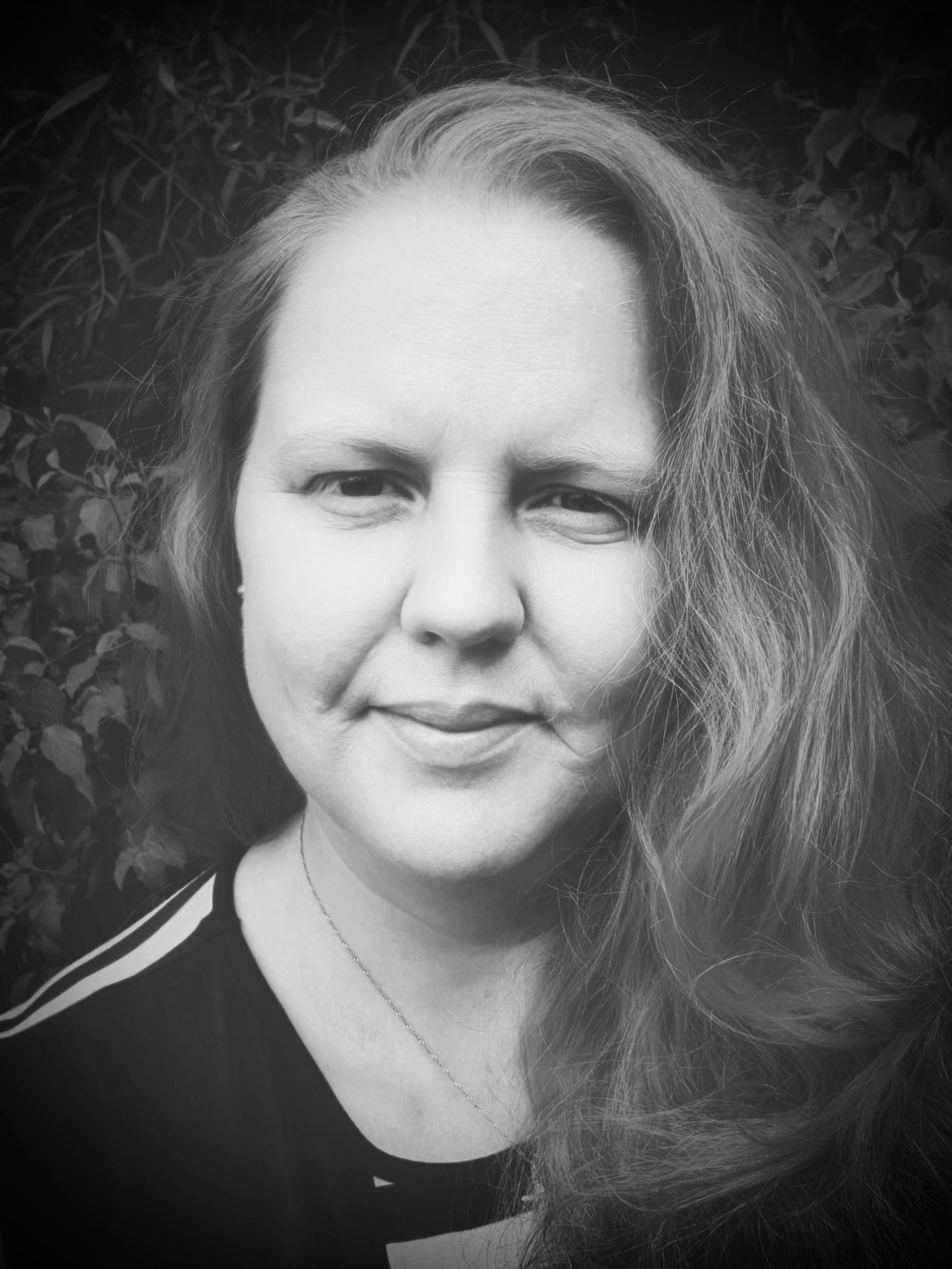
Sara Kimber
Conductor
Sara is a professional musician, experienced teacher, conductor and accomplished composer with an incredible talent for inspiring musicians of all ages and abilities. Sara conducts the youngest and the oldest of our members and her skilful approach to teaching makes learning music accessible to everyone.
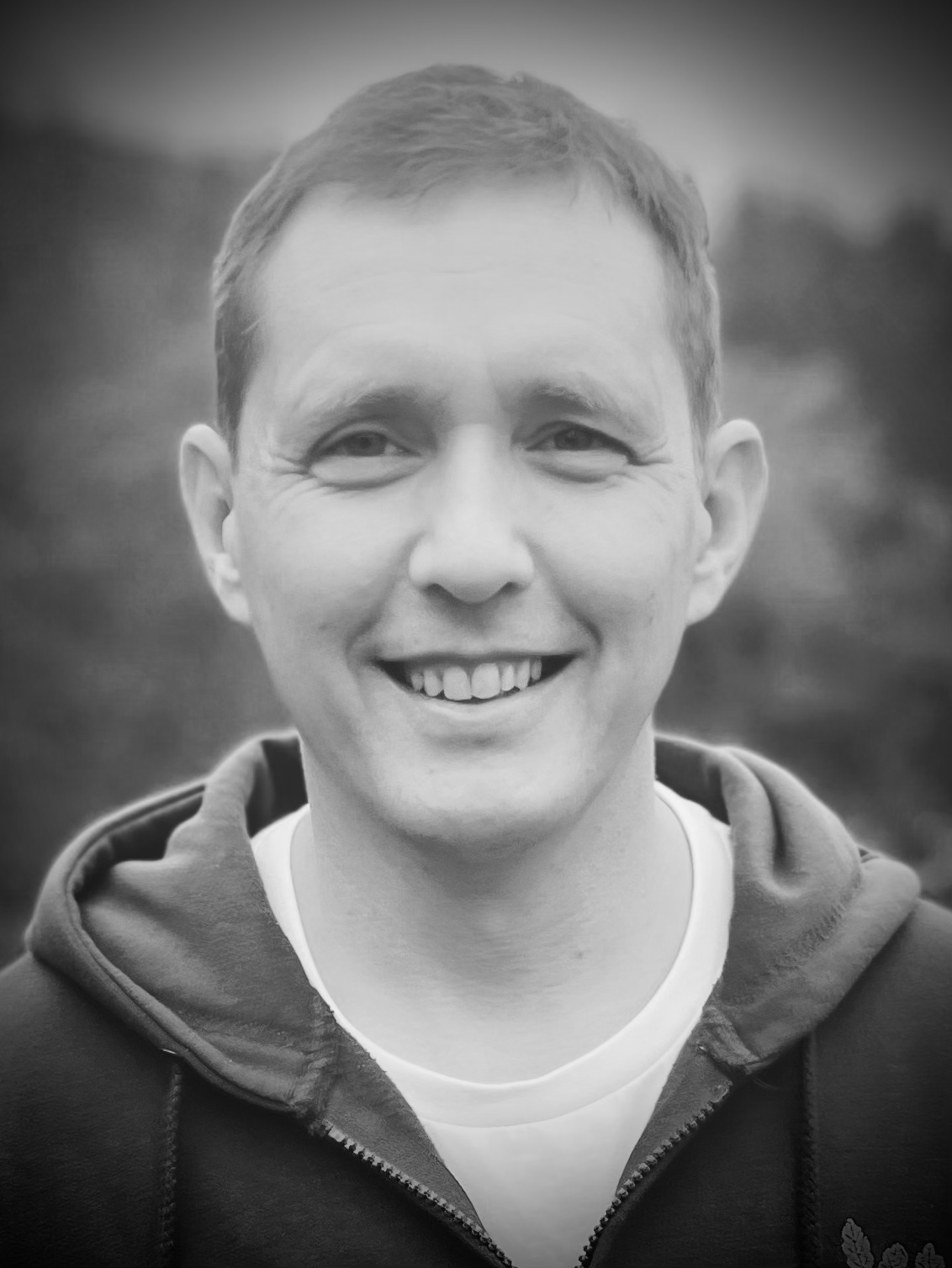
Chris Hall
Principle Acompanist
Chris began playing the piano at the age of 7 and by 15 won the ABRSM prize for the highest regional distinction at grade 8.
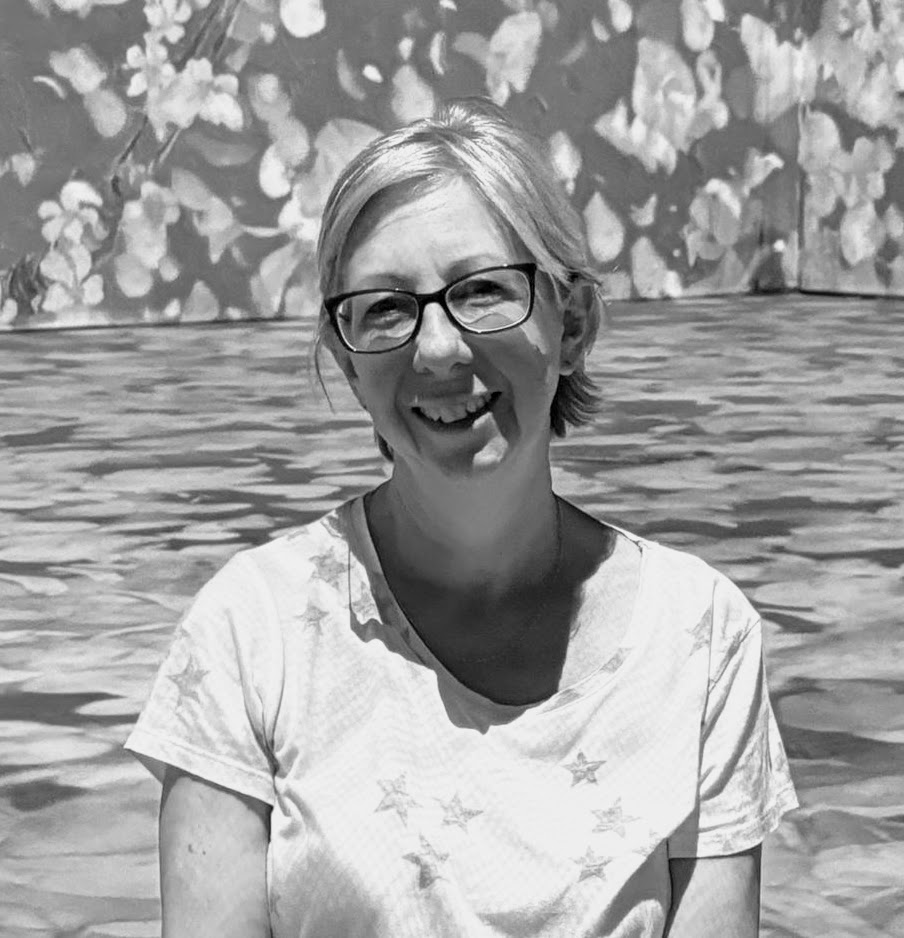
Anne Southgate
Choir Manager
Anne has had a connection with the choirs for many years with her daughter previously being a member and volunteering as part of the Management Team. Anne has experience running a school office and will bring her skills and ideas to the choirs. She will be happy to help with any questions or queries you have.

Find out more…
If you would like to find out more about SC Choirs please contact Anne Southgate by email to enquiry@scchoirs.org.uk or by telephone on 07729 223586